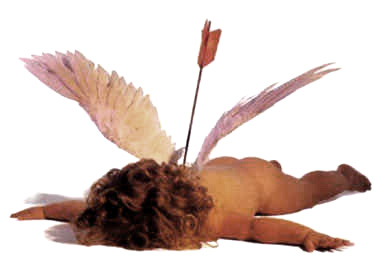
Not a red rose or a satin heart.
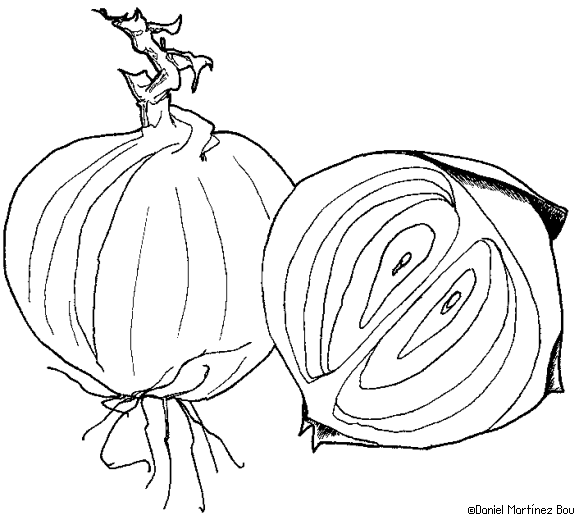
I give you an onion.
It is a moon wrapped in brown paper.
It promises lightlike the careful undressing of love.
Here.
It will blind you with tearslike a lover.
It will make your reflection a wobbling photo of grief.
I am trying to be truthful.
Not a cute card or kissogram.
I give you an onion.
Its fierce kiss will stay on your lips,
possessive and faithful
as we are,
for as long as we are.
Take it.Its platinum loops shrink to a wedding ring,
if you like.
Lethal.
Its scent will cling to your fingers,
cling to your life.
I give you an onion.
It is a moon wrapped in brown paper.
It promises lightlike the careful undressing of love.
Here.
It will blind you with tearslike a lover.
It will make your reflection a wobbling photo of grief.
I am trying to be truthful.
Not a cute card or kissogram.
I give you an onion.
Its fierce kiss will stay on your lips,
possessive and faithful
as we are,
for as long as we are.
Take it.Its platinum loops shrink to a wedding ring,
if you like.
Lethal.
Its scent will cling to your fingers,
cling to your life.